

AI-Designed DNA Fragments Used to Control Gene Expression in Mammal Cells
By Tom Kagy | 11 May, 2025
In a major breakthrough researchers used generative AI to design synthetic molecules to control gene expression in healthy mammal cells.
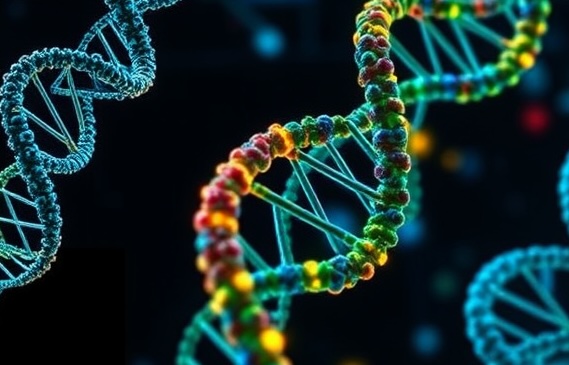
Spanish researchers have created a generative AI application that can design novel DNA sequences to stimulate or suppress the expression of specific gene sequences in a major breakthrough for synthetic biology, according to a recent Science Daily article.
Researchers at the Centre for Genomic Regulation (CRG) programmed a generative AI model that can predict what combinations of the DNA letters A, T, C and G would be able to turn on or off specified gene sequences. This output was used by researchers as a blueprint for chemically synthesizing the specified DNA fragments comprising about 250 letters. These fragments were delivered to the cells using a virus.
Researchers proved out the concept by getting the AI app to design synthetic fragments to activate a gene coding for a fluorescent protein without altering the rest of the cellular gene expression patterns. The fragments were synthesized from chemical components and dropped into mouse blood cells. The fragments fused with the genome at random locations but produced the desired fluorescence in affected cells.
"The potential applications are vast," said Dr Robert Frömel, lead researcher. "It's like writing software but for biology, giving us new ways of giving instructions to a cell and guiding how they develop and behave with unprecedented accuracy."
This is a major breakthrough in synthetic biology as it will enable gene-therapies that would use synthesized enhancers (tiny DNA fragments that switch genes on and off) to modify expressions of specific genes in specified cell types. This ability to fine-tune targeting of gene expression would make therapies more effective with fewer undesirable side effects since many diseases are the product of faulty gene expression.
In the past researchers sought out naturally-existing enhancers that fit their needs. AI-generated enhancers can help bio-engineers design switches that may be more efficient than those that have evolved naturally. About 1,600 naturally occurring transcription factors regulate gene expression in both mice and humans.
"To create a language model for biology, you have to understand the language cells speak," explained CRG researcher Lars Velten. "We set out to decipher these grammar rules for enhancers so that we can create entirely new words and sentences."
The data from this study was used to establish design principles for the AI model. Inputting data on how each synthetic enhancer changed gene activity in real cells the model will be able to design even more efficient enhancers.
© 2025 by Asian Media Group Inc.
Recent Articles
- Unitree Prices IPO at $9 Billion Valuation
- AMD Buys Taalas to Expand Bet on AI Inference Chips
- N. Korean Forces Joining Russia's War Against Ukraine in Large Numbers
- S. Korea Province Deploys Drones to Warn Elderly Farmers Amid Heatwave
- Nintendo Operating Profit Jumps 151% on Robust Software Demand, Tariff Refund
- New Left-Wing Media Power Surge of Progressive Candidates
- MAGA Republicans, Democrats Jointly Blame Trump's Tech Ties for AI Inaction
- OpenAI, Anthropic AI Agents Implicated in New Security Breaches
- Iran Threatens to Hit Gulf States If US Launches New Strikes
- Ralph Lauren's Beat Powered by Young Shoppers in Asia, North America
Other Asian Media Group Sites
- AsiaMs.net — Asian American Women's Resource
- AsianSports.net — Asian American Sports and Fitness
- VoxCali.com — Videos and Podcasts for Asian Americans
- MyGoldScene.com — Guide to Asian Entertainment
- AttheBanquet.com — Asian Fine Dining and Hospitality
- EastwardDrive.com — Asian Carbuying Intelligence
- EastTable.com — Modern Asian Food and Culture
- TadkaTable.com — Inside South Asian Cooking
- GoGenerational.com — Diaspora Families Building Wealth