
Asian American Communities Curb Data Center Expansion
By James Moreau | 05 Aug, 2026
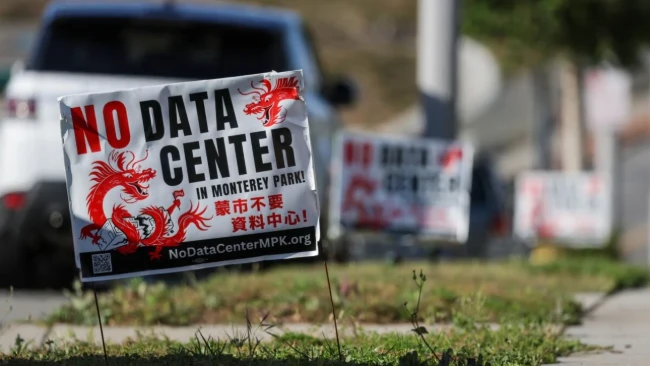
Monterey Park’s historic ban highlights how an Asian-majority city is leveraging community-focused design to prioritize local environmental quality over the demands of the data industry.
© 2026 by Asian Media Group Inc.
In June, California’s Monterey Park made history by becoming the first city in the United States to pass a permanent, voter-approved ban on data centers. Spearheaded by a unanimous city council vote and galvanized by months of grassroots activism, the decision reflects a sophisticated, long-term approach to urban health. Monterey Park – where two-thirds of the population identifies as Asian – saw its leadership, including Mayor Elizabeth Yang, prioritize environmental quality, water resources, and public infrastructure over speculative industrial expansion.
Seattle’s city council followed suit a week later enacting a one-year moratorium on the construction of new large-scale data centers. New York State governor Kathy Hochul followed a similar path in July by instituting a one-year, executive-ordered moratorium on data centers exceeding 50 megawatts. The same month, Elon Musk again declared that SpaceX, on the heels of a recent IPO, would begin building data centers in space to bypass land constraints and bureaucracy while leveraging constant solar power.
Such forward-thinking mindset is a hallmark of many Asian-majority communities, which have long balanced rapid modernization with a deep commitment to human-centric design. Across Asia, cities like Singapore and Tokyo have become global models for “future-ready” planning – prioritizing dense, transit-oriented development and mixed-use spaces that foster vibrant, walkable environments. This global sensibility travels easily to the U.S., where the immigrant experience – with two-thirds of Asian Americans born internationally – fosters a unique perspective that treats neighborhood infrastructure not as a static asset, but as a dynamic ecosystem requiring constant, proactive stewardship.
Recent Articles
- Unitree Prices IPO at $9 Billion Valuation
- AMD Buys Taalas to Expand Bet on AI Inference Chips
- N. Korean Forces Joining Russia's War Against Ukraine in Large Numbers
- S. Korea Province Deploys Drones to Warn Elderly Farmers Amid Heatwave
- Nintendo Operating Profit Jumps 151% on Robust Software Demand, Tariff Refund
- New Left-Wing Media Power Surge of Progressive Candidates
- MAGA Republicans, Democrats Jointly Blame Trump's Tech Ties for AI Inaction
- OpenAI, Anthropic AI Agents Implicated in New Security Breaches
- Iran Threatens to Hit Gulf States If US Launches New Strikes
- Ralph Lauren's Beat Powered by Young Shoppers in Asia, North America
Other Asian Media Group Sites
- AsiaMs.net — Asian American Women's Resource
- AsianSports.net — Asian American Sports and Fitness
- VoxCali.com — Videos and Podcasts for Asian Americans
- MyGoldScene.com — Guide to Asian Entertainment
- AttheBanquet.com — Asian Fine Dining and Hospitality
- EastwardDrive.com — Asian Carbuying Intelligence
- EastTable.com — Modern Asian Food and Culture
- TadkaTable.com — Inside South Asian Cooking
- GoGenerational.com — Diaspora Families Building Wealth