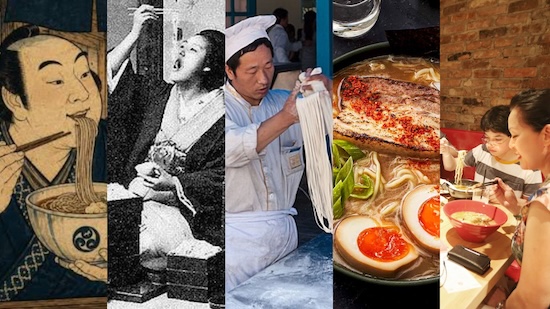

How a Chinese Noodle Dish Became Japan’s Culinary Icon
By Kelli Luu | 06 Aug, 2026
Ramen is seen as a symbol of Japanese cuisine, but did you know it was inspired by a Chinese noodle dish and was transformed through decades of culinary creativity?
© 2026 by Asian Media Group Inc.
While ramen is closely associated as one of Japan’s most recognizable dishes, many people don’t know that it did not begin as a Japanese tradition. The history of the dish actually reflects centuries of migration, cultural exchange, and culinary innovation.
The earliest roots of ramen dates back to Chinese wheat-noodles. The technique of hand stretching wheat flour and salt doughs into noodles has been around in China since as early as the third century AD. By the late 19th and 20th centuries, wheat noodle dishes were being brought to Japanese port cities by Chinese immigrants.
Yokohama became home to a growing Chinatown and introduced local diners to Chinese food and cooking traditions. These dishes were often called Shina soba, which refers to Chinese-style noodles and features broth and toppings like pork, scallions, and boiled eggs. Over time, Japanese chefs began to adapt the dish and incorporate local flavors and ingredients.
In 1910 Japan’s first historic ramen shop, Rai-Rai Ken, opened in Tokyo’s Asakusa district and reportedly was employing Chinese cooks who helped popularize the dish amongst working class customers. Ramen was inexpensive, hearty, and quick to prepare, perfectly suiting the rapidly modernizing city.
The dish’s growth was interrupted by World War II due to food shortages and government rationing, but after Japan’s surrender in 1945, ramen experienced a revival. During postwar years, wheat became more widely available and vendors began selling inexpensive bowls to workers and families, making ramen an affordable dish during a time when the nation was struggling. As the country rebuilt, cooks began creating their own interpretations and Tokyo became known for soy sauce based ramen served with chicken or seafood broth. Fukuoka and Hakata were associated with tonkotsu ramen and in Hokkaido, miso ramen was sought after.
By the late 20th and 21st centuries, ramen had become a worldwide phenomenon with Japanese chains expanding overseas, introducing different ramen styles to new food lovers. What was once considered a working class meal has now evolved into a form of culinary art with chefs spending days preparing the perfect broth and handmade noodles. Ramen began as a Chinese wheat noodle soup, but now it represents generations of tradition and creativity, qualities that continue to shape one of Japan’s greatest dishes.
Recent Articles
- Unitree Prices IPO at $9 Billion Valuation
- AMD Buys Taalas to Expand Bet on AI Inference Chips
- N. Korean Forces Joining Russia's War Against Ukraine in Large Numbers
- S. Korea Province Deploys Drones to Warn Elderly Farmers Amid Heatwave
- Nintendo Operating Profit Jumps 151% on Robust Software Demand, Tariff Refund
- New Left-Wing Media Power Surge of Progressive Candidates
- MAGA Republicans, Democrats Jointly Blame Trump's Tech Ties for AI Inaction
- OpenAI, Anthropic AI Agents Implicated in New Security Breaches
- Iran Threatens to Hit Gulf States If US Launches New Strikes
- Ralph Lauren's Beat Powered by Young Shoppers in Asia, North America
Other Asian Media Group Sites
- AsiaMs.net — Asian American Women's Resource
- AsianSports.net — Asian American Sports and Fitness
- VoxCali.com — Videos and Podcasts for Asian Americans
- MyGoldScene.com — Guide to Asian Entertainment
- AttheBanquet.com — Asian Fine Dining and Hospitality
- EastwardDrive.com — Asian Carbuying Intelligence
- EastTable.com — Modern Asian Food and Culture
- TadkaTable.com — Inside South Asian Cooking
- GoGenerational.com — Diaspora Families Building Wealth