

Why Is Korean Food Becoming Sickly Sweet?
By Tom Kagy | 30 Jul, 2026
The products of a growing number of even leading Korean foodmakers—once the gold standard in healthful dishes—have become so heavily sugared as to be repulsive.
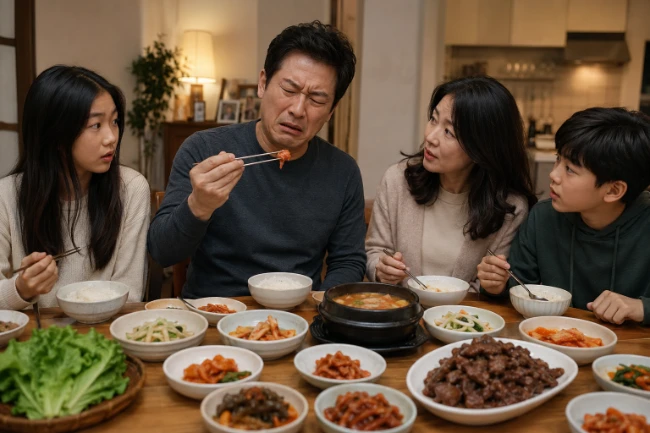
Something has gone terribly wrong when ready-made banchan from Korean markets are so sweet we had to throw them out uneaten. Not only is this a disgusting introduction to Korean cuisine for the unwary consumer, it's turning one of Korea's greatest national treasures into cause for national shame.
The offending dishes weren’t desserts, sweet pastries or even foods in which a modest amount of sweetness might reasonably be expected. They were ordinary vegetable, fish-cake and seafood side dishes that should’ve been savory, tart, spicy, nutty, garlicky or pleasantly fermented.
Instead, virtually every flavor had been buried beneath a sticky layer of sugar.
One dish tasted like vegetables dipped in pancake syrup. Another began with a promising hint of soy sauce and sesame oil before an overpowering candy sweetness coated the tongue. After a few bites, eating them became not merely unpleasant but vaguely nauseating.
This isn’t what Korean food is supposed to be.
Banchan Should Create Contrast
A Korean meal traditionally derives much of its appeal from the interplay among many small dishes. One may be crisp and vinegary, another earthy and fermented, another hot with gochugaru, another rich with sesame, another intensely savory with anchovy or shellfish.
The rice provides a mild center around which these sharper flavors revolve. Soup contributes warmth and depth. Kimchi cuts through heavier foods with acid, chile and fermentation. The banchan keep the palate interested by changing the flavor, texture and temperature from one bite to the next.
When everything is made sweet, that intricate arrangement collapses.
Sweet fish cake beside sweet potatoes, sweet anchovies, sweet cucumber, sweet lotus root and sweetened kimchi doesn’t constitute variety. It’s the same blunt flavor wearing six different costumes.
The tragedy is that Korea developed one of the world’s most sophisticated systems for creating flavor without depending on large quantities of sugar or fat. Fermentation, drying, salting, pickling, aging and the careful combination of aromatics allowed generations of Korean cooks to make humble vegetables, grains, beans and small amounts of seafood deeply satisfying.
Traditional Korean dietary patterns have been distinguished by vegetables, legumes, whole grains, kimchi and fermented soybean condiments such as doenjang and ganjang. Clinical research has associated versions of that dietary pattern with improvements in several cardiovascular and metabolic risk markers, although the cuisine’s sometimes high sodium content remains a legitimate concern.
That’s a culinary inheritance worth protecting, not drowning in corn syrup.
Sweetness Has A Legitimate Place
Complaining about excessive sweetness doesn’t mean demanding that sugar be purged from every Korean kitchen.
Sweetness has long had a legitimate role in Korean cooking. Honey, fruit, malt syrup and rice syrup have been used in marinades, preserves, ceremonial dishes and snacks. Bulgogi often gets some sweetness from pear, apple or sugar. Candied sweet potatoes are supposed to be sweet. Hotteok is a dessert. Even properly fermented gochujang develops a subtle sweetness as starches break down during fermentation.
The key word is subtle.
In good cooking, sweetness rounds off salt, softens chile heat, balances vinegar or helps meat caramelize. It functions as one member of an ensemble. It doesn’t grab the microphone and howl over every other flavor.
A carefully made soy-based banchan might use a small amount of rice syrup to give the sauce gloss and take the edge off its salinity. Stir-fried anchovies may need a little sweetness to balance their intense saltiness and bitterness. Braised lotus root is often mildly sweet.
But “a little” has steadily become a lot. Sugar is no longer being used to balance the flavor of the main ingredient. The ingredient is increasingly being used as a delivery system for sugar.
That distinction separates cuisine from confectionery.
Industrial Food Rewards Blunt Flavors
The food industry has understandable reasons for reaching for sugar. It’s inexpensive, predictable and immediately appealing to many consumers. It can mask inferior ingredients, suppress bitterness, soften excessive acidity and make aggressively salty foods seem less harsh.
It also produces the glossy appearance manufacturers and retailers like. A thick syrup helps sauce cling to vegetables or fish cake while giving the food a photogenic sheen beneath supermarket lights.
Most importantly, sugar reduces risk.
Fermented, bitter, sour and pungent flavors require judgment. One customer may love a deeply aged doenjang while another finds it overpowering. Nearly everyone, however, is biologically primed to recognize sweetness as pleasurable. Manufacturers trying to reach the broadest possible market therefore drift toward the safest and least challenging formula.
Add sugar. Then add more.
This tendency becomes even stronger when food is being developed for export. Executives may assume that Americans, Europeans and younger consumers won’t accept authentically sour, funky or spicy flavors. Sweetness becomes a shortcut for accessibility.
But that assumption insults both the consumer and Korean cuisine. People around the world didn’t become fascinated with kimchi because it tastes like candy. They were attracted by its intensity, complexity and living character. They embraced Korean barbecue because of the smoke, char, garlic, sesame, meat and communal excitement—not because they wanted syrup with chopsticks.
The international success of Korean food proves that consumers can handle bold flavors. Manufacturers should stop treating them like toddlers.
Sugar Is Invading Savory Territory
The most disturbing aspect of the trend isn’t the existence of sweet Korean foods. It’s the migration of sweetness into dishes that were never intended to resemble desserts.
Prepared fish cake may already contain sugar before it reaches the banchan kitchen. It’s then stir-fried in a sauce containing additional sugar, starch syrup or corn syrup. Dried anchovies may receive both granulated sugar and syrup. Beans are lacquered until their natural earthiness disappears. Pickled vegetables that should offer an acidic counterpoint arrive tasting like sweet relish.
Even spicy food has been dragged into the sugar bowl. Many commercial tteokbokki, fried-chicken and bibim sauces now deliver a large surge of sweetness before the chile becomes noticeable. The heat doesn’t balance the sugar so much as provide a brief distraction from it.
The result can be especially unpleasant when sugar, salt and oil are concentrated in the same dish. The tongue is hit with immediate intensity, but the flavor has little depth and quickly becomes exhausting. You may enjoy the first bite because it’s dramatic, yet by the fourth or fifth bite the food feels sticky, cloying and strangely empty.
That’s the signature of a product engineered to win a five-second sampling test rather than sustain an actual meal.
The Health Halo Is Cracking
Korean food has enjoyed a deserved reputation for being healthier than many heavily processed Western diets. A table filled with vegetables, fermented foods, seaweed, tofu, beans, fish and modest portions of meat appears to offer precisely the variety nutrition experts recommend.
But that reputation can’t survive indefinitely if manufacturers keep stuffing sugar into foods consumers regard as savory and healthful.
Research using Korea’s national nutrition survey found that greater consumption of ultra-processed foods was associated with higher absolute consumption of calories, sugar, sodium and fat. The researchers noted that South Korean ultra-processed-food consumption remained lower than in many Western countries, but warned that consumption among the heaviest users was already alarming.
A newer analysis of Korean dietary data found that average sugar intake remained within national recommendations overall, yet the picture was more troubling among younger consumers. Roughly one-third of children, adolescents and adults aged 19 to 34 exceeded the recommended limit for sugars coming from processed foods. The study also noted that the share of energy obtained from added sugars in processed products had risen during the previous decade.
Korean health authorities recommend keeping added sugars below 10% of energy intake. The World Health Organization likewise recommends limiting free sugars to less than 10%, with additional benefits possible below 5%, or approximately six teaspoons a day for an average adult diet. Those limits become much harder to respect when sugar is hidden not only in soda, coffee and desserts but in sauces, marinades, pickles and supposedly vegetable-based side dishes.
Nobody expects candied yams to be a health food. The greater deception comes from buying spinach, burdock, beans or anchovies and discovering that they’ve been converted into candy.
Korea’s Consumers Are Pushing Back
The good news is that Korean consumers themselves appear increasingly fed up.
Major food companies have begun introducing low-sugar gochujang, ssamjang, soy sauces, noodle sauces, dressings and meal seasonings. Daesang, for example, launched a dedicated reduced-sugar line covering traditional sauces and condiments in 2025.
By July 2026, the number of low-sugar or low-calorie sauces sold by seven major South Korean food companies had reportedly jumped from 33 in 2024 to 124. CJ CheilJedang, Ottogi, Dongwon, Daesang and Sempio were among those expanding their reduced-sugar selections, with several reporting strong sales growth.
That surge is an unmistakable message. Consumers don’t need every savory food to be saturated with sweetness, and many are actively searching for alternatives.
Yet “low sugar” won’t solve the deeper problem if manufacturers merely substitute allulose, stevia or another sweetener while preserving the same candy-level flavor profile. Reducing calories may help metabolic health, but it doesn’t restore culinary balance.
The goal shouldn’t merely be Korean food containing less sugar. It should be Korean food that tastes less sweet.
A reduced-sugar gochujang that remains intensely sweet because sugar has been replaced gram for gram with alternative sweeteners may satisfy a labeling rule, but it won’t revive the earthy fermentation, chile depth and savory complexity that made gochujang indispensable.
The palate needs reformulation too.
Foodmakers Should Trust Their Cuisine
Korean manufacturers should begin by cutting the sweetness of their standard products, not relegating reasonable flavor to a special diet line. Consumers shouldn’t have to shop in a nutritional niche to find cucumber that tastes like cucumber or anchovies that taste like anchovies.
Recipes could often lose a third or even half of their sweetener without becoming austere. Better ingredients, longer fermentation, stronger aromatics and more careful control of salt and acidity can provide the flavor now being supplied by syrup.
Packages should disclose added sugars prominently and in realistic serving sizes. Imported foods need accurate English-language labels rather than tiny stickers that obscure how much sugar has been added. Korean supermarkets should insist that prepared-food vendors offer clearly identified traditional or less-sweet versions.
Retail buyers also need to taste what they’re selling. A banchan counter shouldn’t be judged only by color, gloss, shelf life and margin. Someone with an intact palate should sit down with rice and try eating an actual meal from it.
Consumers have a role as well. We should stop buying foods that offend us merely because throwing them away feels wasteful. Return them, complain about them or tell the store manager why you won’t purchase them again. Manufacturers study repeat sales far more carefully than they study cultural criticism.
Most of all, Korean foodmakers need to trust the cuisine they inherited.
They don’t need to conceal fermentation beneath sugar. They don’t need to apologize for bitterness, acidity, garlic, chile or the sea. They don’t need to transform every dish into sticky, sweet-spicy fast food for fear that foreigners won’t understand anything more challenging.
Korean food became a global treasure precisely because it didn’t taste like everything else.
Save The Banchan
This isn’t a demand for joyless food or nutritional puritanism. A celebratory feast can be extravagant. Korean fried chicken can carry a sweet glaze. Bulgogi can be pleasantly caramelized. Desserts should be allowed to be desserts.
But vegetables should still taste alive. Fermented foods should retain their tang and depth. Seafood should preserve some trace of the ocean. Chile should generate more than a faint burn beneath a blanket of syrup.
A Korean table should move among flavors rather than repeat one flavor endlessly.
Foodmakers who turn every side dish sickly sweet aren’t modernizing Korean cuisine. They’re flattening it, cheapening it and trading away the very qualities that made it admired around the world.
Sugar should be returned to its proper role as an occasional accent, not the compulsory flavor of industrial Korean food.
Save the sweetness for dishes that deserve it—and give us back our banchan.
© 2026 by Asian Media Group Inc.
Recent Articles
- Unitree Prices IPO at $9 Billion Valuation
- AMD Buys Taalas to Expand Bet on AI Inference Chips
- N. Korean Forces Joining Russia's War Against Ukraine in Large Numbers
- S. Korea Province Deploys Drones to Warn Elderly Farmers Amid Heatwave
- Nintendo Operating Profit Jumps 151% on Robust Software Demand, Tariff Refund
- New Left-Wing Media Power Surge of Progressive Candidates
- MAGA Republicans, Democrats Jointly Blame Trump's Tech Ties for AI Inaction
- OpenAI, Anthropic AI Agents Implicated in New Security Breaches
- Iran Threatens to Hit Gulf States If US Launches New Strikes
- Ralph Lauren's Beat Powered by Young Shoppers in Asia, North America
Other Asian Media Group Sites
- AsiaMs.net — Asian American Women's Resource
- AsianSports.net — Asian American Sports and Fitness
- VoxCali.com — Videos and Podcasts for Asian Americans
- MyGoldScene.com — Guide to Asian Entertainment
- AttheBanquet.com — Asian Fine Dining and Hospitality
- EastwardDrive.com — Asian Carbuying Intelligence
- EastTable.com — Modern Asian Food and Culture
- TadkaTable.com — Inside South Asian Cooking
- GoGenerational.com — Diaspora Families Building Wealth