

Top Stakes Held by Chinese Investors Subject Mercedes to Possible US Sales Ban
By Reuters | 28 Jul, 2026
The top 2 investors in Mercedes are Chinese, putting it theoretically within anti-Chinese legislation approved last week by the US Senate Commerce Committee.
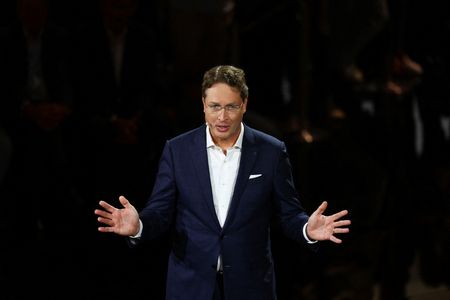
Mercedes-Benz Group CEO Ola Kaellenius speaks during a preview, ahead of the IAA auto show, in Munich, Germany, September 7, 2025. REUTERS/Kai Pfaffenbach
Mercedes-Benz's CEO pledged on Tuesday to shield its U.S. business from a possible sales ban, as concerns in Washington over the German carmaker's Chinese investors threaten it with exclusion from one of its few remaining growth markets.
The U.S. Senate Commerce Committee approved legislation last week to toughen a ban on Chinese automakers entering the U.S. market that could, in theory, bar Mercedes from selling vehicles there, since its top two shareholders are Chinese.
"If we need to make adjustments to comply with anything, we will make sure that we protect our presence and our business in the U.S.," CEO Ola Kaellenius said, as the company reported second-quarter results.
"We are not naive about the geopolitical environment and the competition between the United States and China."
Kaellenius said the company was monitoring the U.S. debate closely and was "deeply involved" in talks with relevant parties.
Chinese carmaker BAIC Group and Geely's billionaire founder Li Shufu together hold nearly 20% of Mercedes' listed shares.
MERCEDES COULD SET UP ENGINE PRODUCTION IN U.S., CEO SAYS
Faced with plunging sales in China, where the company and its German peers have fallen behind in a rapid shift to electric vehicles, Mercedes is building up local production in the U.S., where demand for its traditional cars remains high.
At a time when the Trump administration is also pressuring foreign companies with tariff threats, Mercedes has pledged over $7 billion in investments in its U.S. operations, including $4 billion through 2030 to boost SUV production at its Alabama plant.
Kaellenius said the company could set up engine production in the U.S. depending on the outcome of a North American trade pact revamp currently under negotiation, which could possibly include U.S.-specific content rules for vehicles in the region.
Mercedes has good reason to protect and even expand its U.S. footprint. Sales there grew by 15% in the first six months of the year, helping to offset some of the pain in China. The combustion engine cars popular there, meanwhile, earn the company fatter margins compared to costlier-to-produce EVs.
"If you are manufacturing locally in the U.S., it is a licence to print money," said independent automotive analyst Matthias Schmidt.
(Reporting by Rachel More; Editing by Linda Pasquini and Joe Bavier)
© 2026 by Asian Media Group Inc.
Recent Articles
- US Bans New Chinese Humanoid Robots to Protect US AI Buildout
- AI Glasses Key to EssilorLuxottica H1 Profits Beat
- Human Trafficking Surges into Asian Scam Centers
- High-Tech Manufacturing Hubs Pull Ahead in China's Uneven Growth
- Keiko Fujimori Takes Power in Peru
- India's June Industrial Output Grew Fastest in Nearly Two Years
- Persistently High Inflation to Stay with Global Economy Say Economists
- US Trade Deficit Stayed Elevated in June As Imports Jumped 16.6% on Year
- Top Stakes Held by Chinese Investors Subject Mercedes to Possible US Sales Ban
- BYD Launched EV Mini-Car in Japan