

Resynchronizing Implant Better at Preventing Heart Attacks
By wchung | 06 Aug, 2026
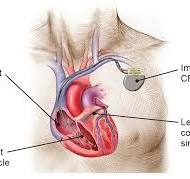
Boston Scientific said Tuesday a clinical study shows its heart resynchronization implant devices were better at preventing death or surgery due to heart failure than another popular type of device.
The Natick, Mass., company said patients implanted with the devices, which recoordinate the action of the right and left ventricles, were 29 percent less likely to die or need surgery than patients who had implantable cardioverter defibrillators.
ICDs are designed to restore a normal heart rhythm by delivering an electric shock.
Boston Scientific said the results show that early implantation of a cardiac resynchronization device can slow the progression of heart failure. The MADIT-CRT trial included more than 1,800 patients with class I or II heart failure, the two mildest types according to a New York Heart Association scale.
The company said about 70 percent of all U.S. heart failure patients have the class I or class II type. It estimated that 5.5 million people in the U.S. have heart failure.
In premarket trading, shares of Boston Scientific advanced 74 cents, or 8 percent, to $9.98.
6/23/2009 9:09 AM NEW YORK (AP)
© 2026 by Asian Media Group Inc.
Recent Articles
- Unitree Prices IPO at $9 Billion Valuation
- AMD Buys Taalas to Expand Bet on AI Inference Chips
- N. Korean Forces Joining Russia's War Against Ukraine in Large Numbers
- S. Korea Province Deploys Drones to Warn Elderly Farmers Amid Heatwave
- Nintendo Operating Profit Jumps 151% on Robust Software Demand, Tariff Refund
- New Left-Wing Media Power Surge of Progressive Candidates
- MAGA Republicans, Democrats Jointly Blame Trump's Tech Ties for AI Inaction
- OpenAI, Anthropic AI Agents Implicated in New Security Breaches
- Iran Threatens to Hit Gulf States If US Launches New Strikes
- Ralph Lauren's Beat Powered by Young Shoppers in Asia, North America
Other Asian Media Group Sites
- AsiaMs.net — Asian American Women's Resource
- AsianSports.net — Asian American Sports and Fitness
- VoxCali.com — Videos and Podcasts for Asian Americans
- MyGoldScene.com — Guide to Asian Entertainment
- AttheBanquet.com — Asian Fine Dining and Hospitality
- EastwardDrive.com — Asian Carbuying Intelligence
- EastTable.com — Modern Asian Food and Culture
- TadkaTable.com — Inside South Asian Cooking
- GoGenerational.com — Diaspora Families Building Wealth