

THC Drinks Banned by Reopening Deal
By Reuters | 13 Nov, 2025
A provision to ban sale of drinks containing more than 0.4mg of THC within 1 year was slipped into the deal to end the government shutdown.
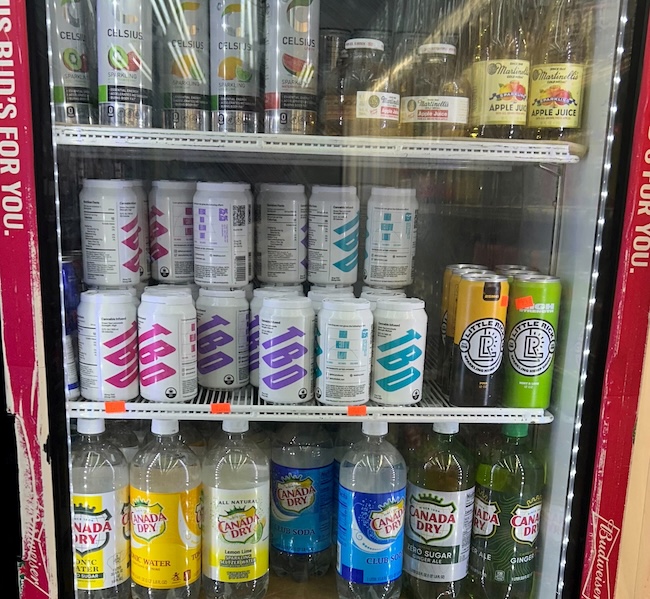
THC drinks are displayed at a convenience store in Manhattan, New York, U.S., June 22, 2025. REUTERS/Jessica DiNapoli/File Photo
The agreement to end the longest-ever U.S. government shutdown includes a provision to stop the spread of intoxicating cannabis-infused beverages sold in some U.S. states, which pose a threat to alcohol sales.
The provision, introduced by Senator Mitch McConnell, and signed into law by U.S. President Donald Trump on Thursday, aims to close a loophole that has allowed some intoxicants to be sold as "hemp," a legal product under federal law. The new rule excludes products with more than 0.4 milligrams of tetrahydrocannabinol, or THC, the mood-altering substance in hemp and marijuana that is derived from the cannabis plant.
The change, effective in a year, delivers a death blow to the "low-dose" THC-infused beverages industry, which has rapidly expanded in U.S. states such as Minnesota and Tennessee that permitted the drinks. Most have at least 1 milligram of THC, giving drinkers a buzz.
Liquor stores like Total Wine, supermarkets and convenience stores sell the beverages, prompting market research firm Euromonitor to project sales of more than $4 billion in 2028.
Alcohol makers such as Corona brewer Constellation Brands had been internally researching the drinks to weigh their next steps in the market segment. Pernod Ricard, which distills Absolut vodka, met with executives of one of the brands to discuss a possible investment over the summer, though it ultimately did not, Reuters reported.
McConnell first legalized hemp in 2018 to support farmers in his home state of Kentucky but then became concerned about intoxicating products such as gummies getting into the hands of children.
Some founders of THC-infused drinks such as Cann are hoping to find a way in the next year to have the beverages permanently legalized, co-founder Jake Bullock said in a statement.
(Reporting by Jessica DiNapoli in New York; Editing by Richard Chang)
© 2025 by Asian Media Group Inc.
Recent Articles
- Oracle Workforce Shrinks by About 21,000 Employees Amid AI Adoption
- Ohtani’s Baby Boom, Kim’s Birthday Celebration, and World Cup Updates
- Become an AI Bonus Baby—or Just Get Paid Like One
- Ferrari Denies Requiring Luce EV Purchase to Access Limited Edition Models
- SpaceX Turns to Bond Sale to Fatten $100.8 Billion Cash Stash
- Google DeepMind Signs AI Research Deal with Film Studio A24
- China's 618 Shopping Festival Sees Flat E-Commerce Sales from Cautious Shoppers
- Amazon Prime Day to Gauge US Consumer Strain as Focus Shifts to Basics
- China Closing in but US Still Leads in Biotech Innovation
- EV Surge Likely to Cut Oil Demand by Late 2027